01One Day, Three Levels, No Rush
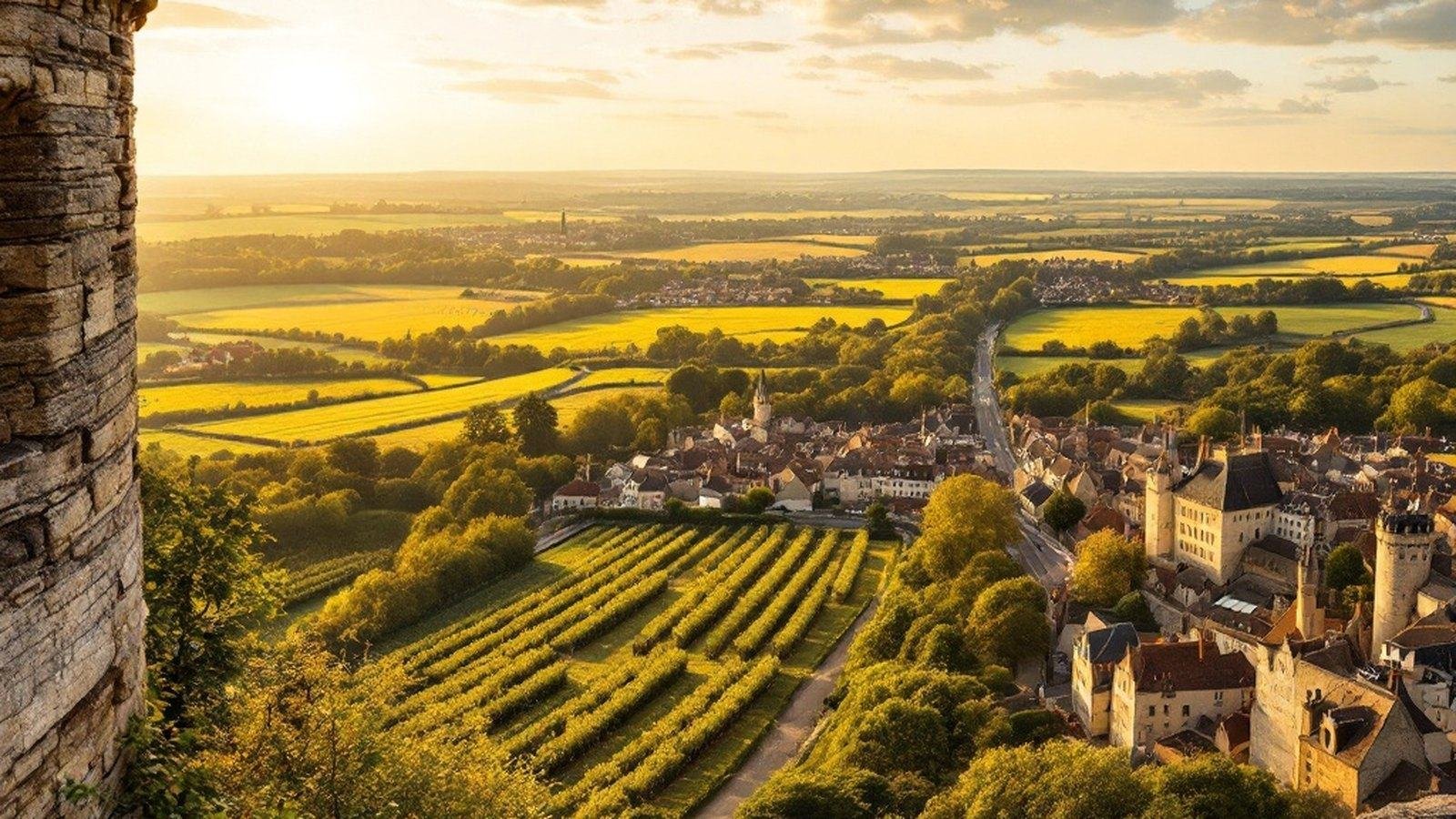
Begin at the summit. The château ruins and ramparts above the Varenne valley cost nothing to explore and reward early risers with long views west across the bocage before the day warms up. What survives of the twelfth-century keep is skeletal but striking — enough to read the scale of what Henry I and Henry II once commanded here. Walk the full length of the public garden that now occupies the old fortress plateau; the southern belvedere gives the broadest panorama, a sweep of orchard country that explains, at a glance, why this hilltop was worth fighting over for five centuries.
From the ramparts, drop down through the old town. The medieval lanes between the Place du Commerce and the remaining town gates are brief but atmospheric — granite housefronts, a few half-timbered survivors, the odd workshop with its shutters still folded back in the old way. Don't rush this. It takes perhaps twenty minutes to cover, which is exactly right.
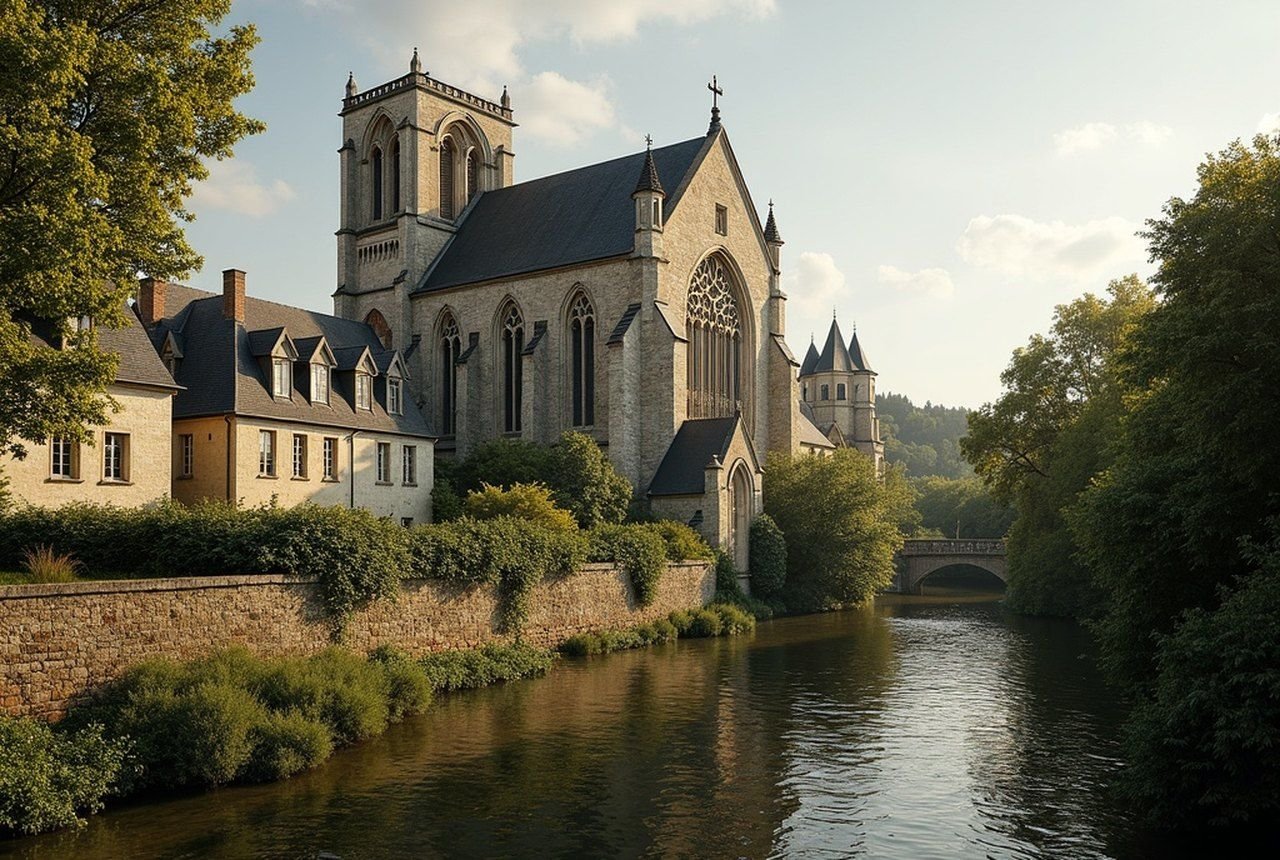
The hill's lower slopes bring you to Notre-Dame-sur-l'Eau, the Romanesque church that stands beside the Varenne. Built from the eleventh century and much altered but never quite ruined, it rewards a slow look inside: the proportions are spare and calming, and the carved capitals in the nave are fine work for so small a building. There is usually quiet here even in summer.
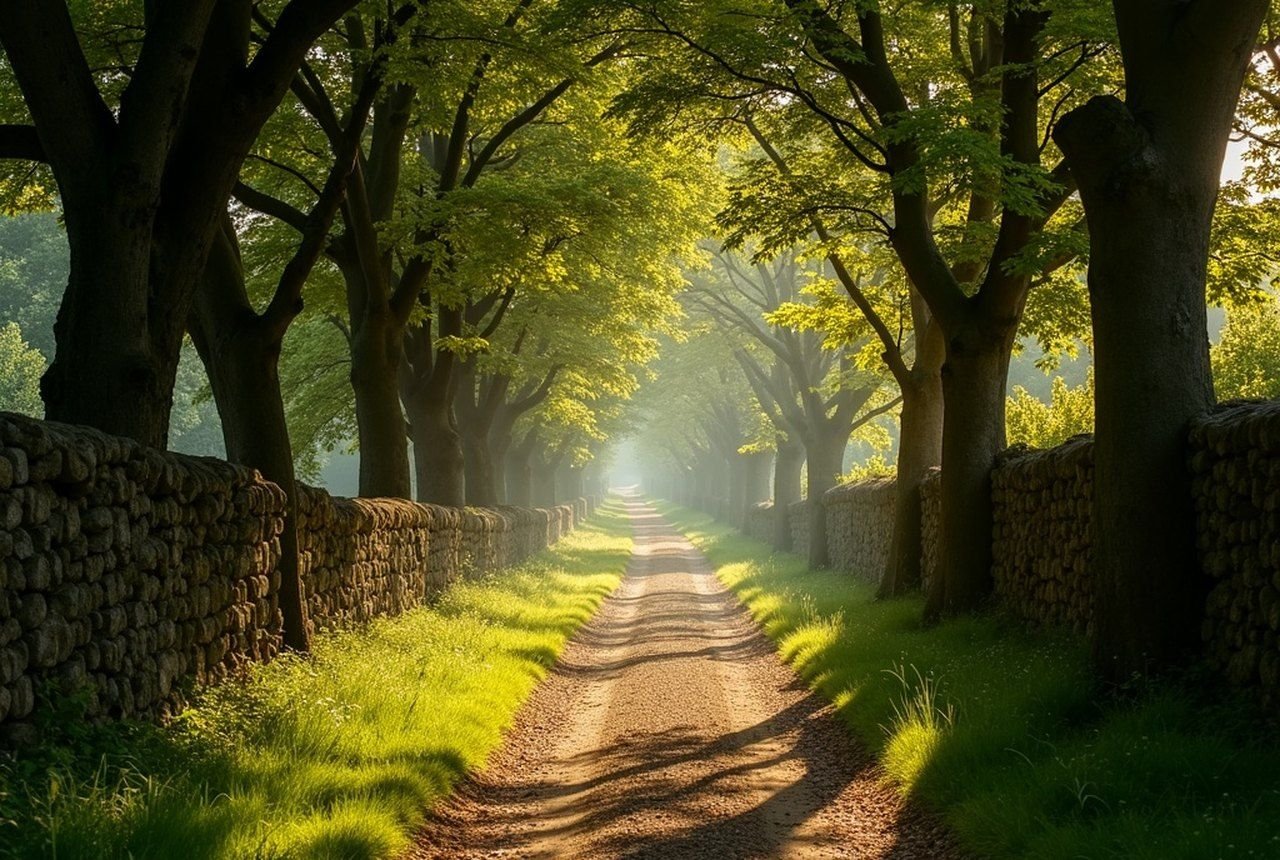
From the church, cross the river and pick up the path into the gorges de la Varenne. The wooded gorge asks nothing demanding of you — a flat-ish riverside walk through mixed oak and beech, the water audible throughout. An hour out and back is enough to feel genuinely away from things.
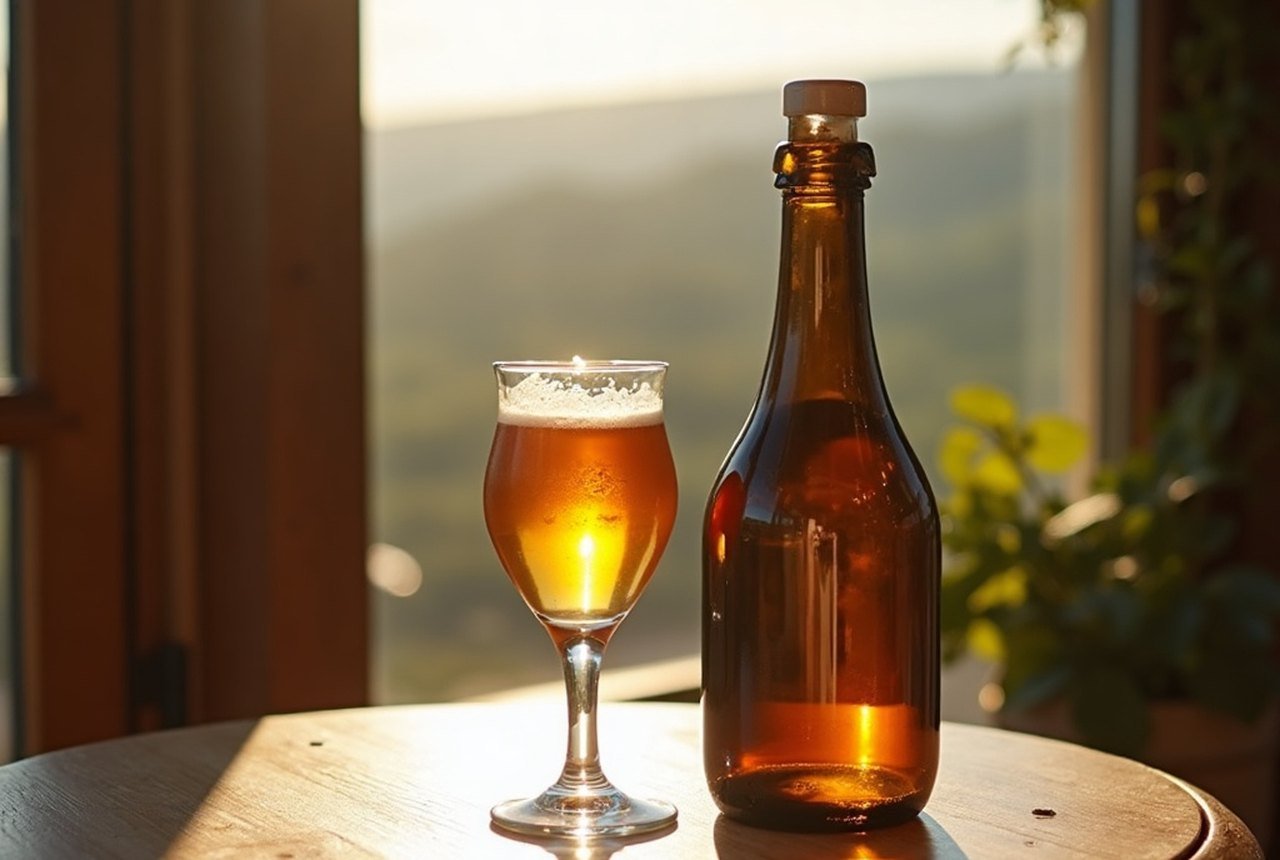
Return to the upper town for the afternoon. The right way to end the day is at one of the café-bars or farm stops around the Passais with a glass of poiré de Domfront — the pear perry that carries the town's AOC designation and its name. It is dry, faintly sparkling, and tastes unmistakably of this particular place. One glass will make you want to stay another day, which is, of course, the point.
- 11th centuryNotre-Dame-sur-l'Eau begun
- 12th centurychâteau keep built in its present form; Henry II's association with the town