01The Town Through the Year
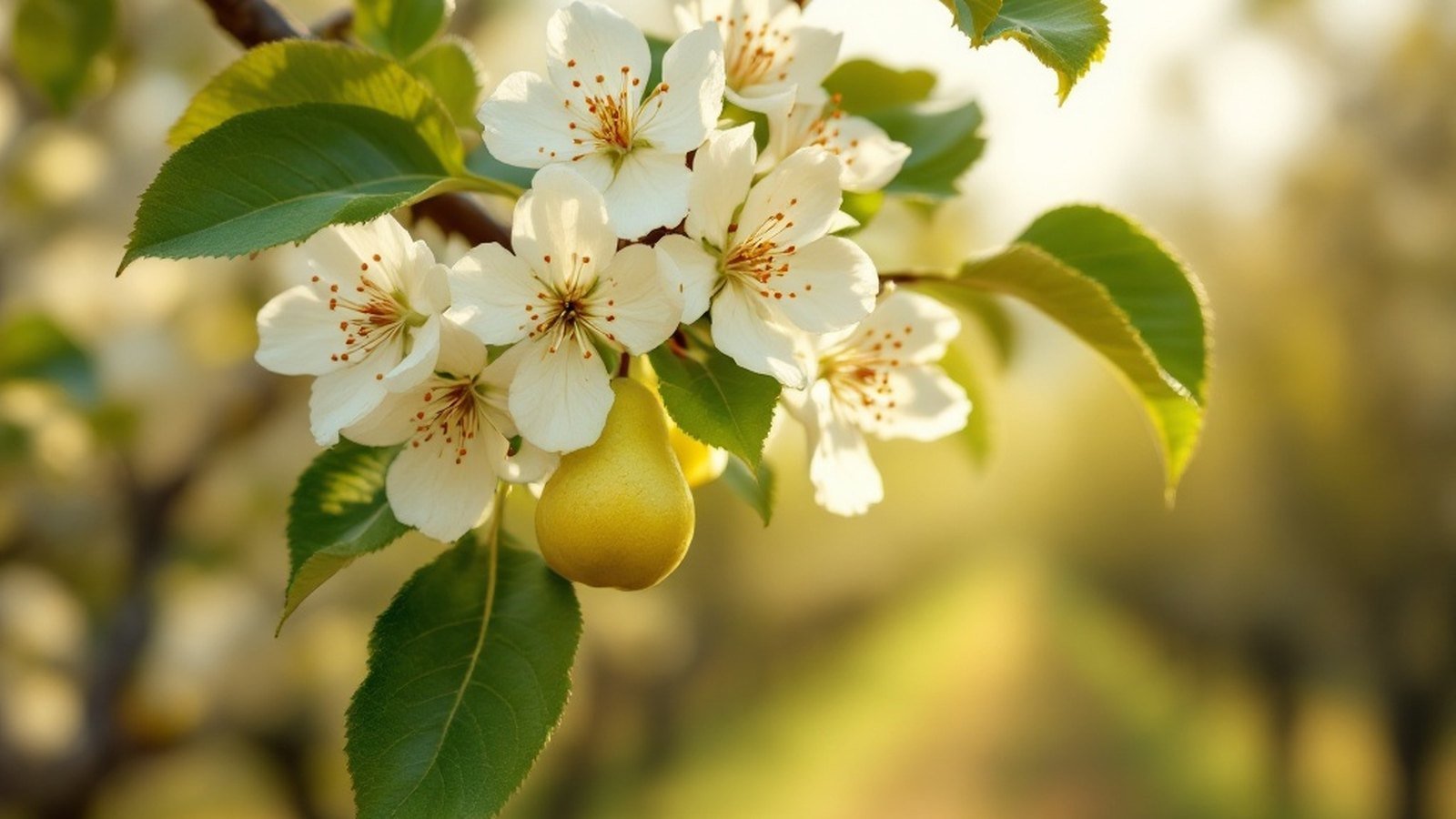
Spring arrives gently in the Passais. From late March into May, the perry-pear orchards fringing the bocage fill with white blossom — a quieter spectacle than cherry, unhurried and faintly sweet-scented, with the hedgerow country still bright with new growth beneath. The ramparts catch the best of the light at this time of year, and the town itself is uncrowded, its granite lanes belonging almost entirely to you.
Summer deepens the landscape into a dense, layered green — this is bocage at its most emphatic. The Varenne runs clear in its gorge below the hill, and the walks along the river are well-shaded and cool even in July and August. The old town is livelier now, the café tables on the Place du Commerce occupied, and the Saturday market worth timing a weekend around if you can.
Autumn is the best argument for coming in October. The pressing season turns the Passais briefly purposeful and fragrant: pears are gathered from the old high-stemmed trees, and the farm cellars are in production. A quiet roadside sign, a track through an orchard gate — this is how you find poiré at source, unhurried and genuine. The colours along the Varenne gorge are reliably excellent once the canopy turns.
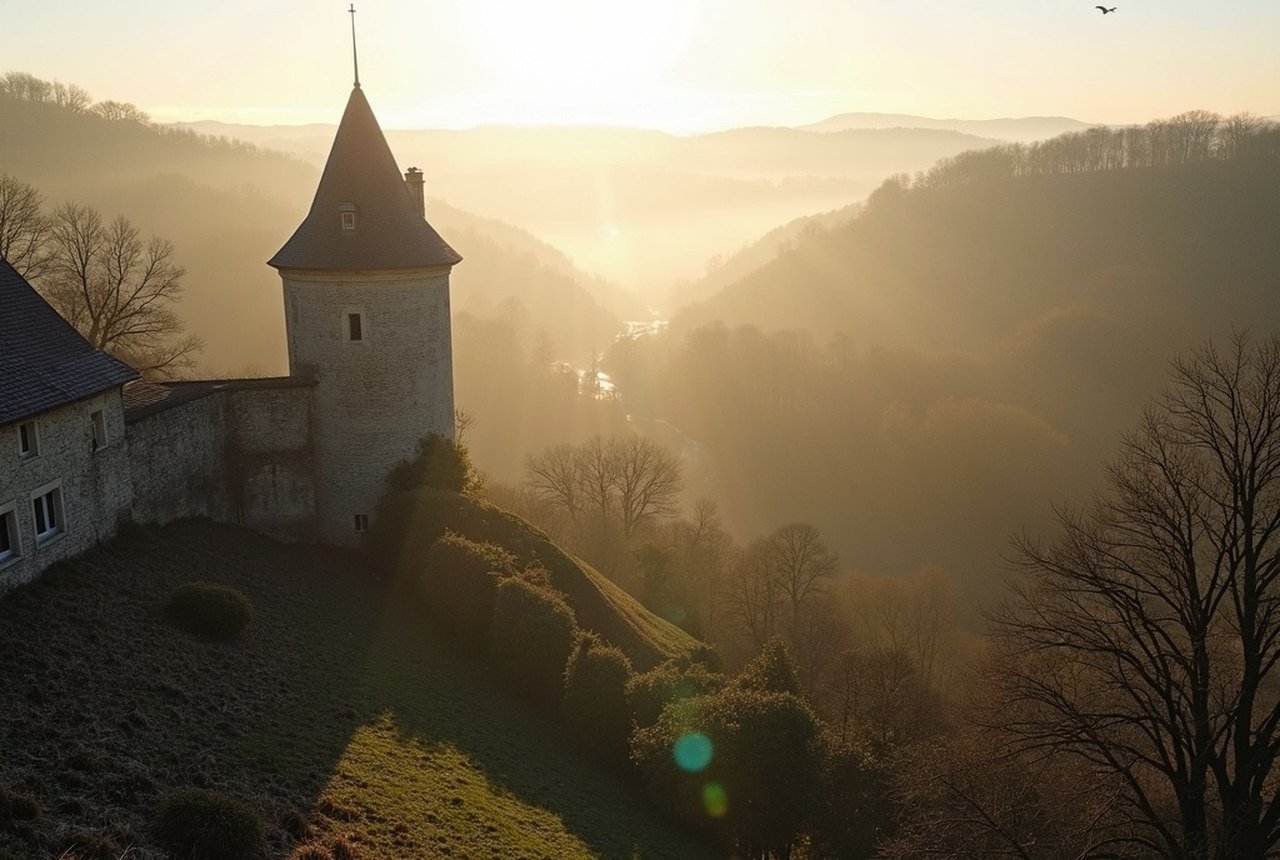
Winter strips things back to essentials. The old town on its rock — the ruined keep, the Romanesque nave of Notre-Dame-sur-l'Eau beside the river, the long view westward from the ramparts — looks its most austere and most itself. Visitor numbers drop to almost nothing. If you are drawn to places as they really are rather than as they perform, this is a fine season to come.
In short: blossom in spring, rivers and markets in summer, the harvest in autumn, and stone in winter. All of them honest, none of them wrong.